other
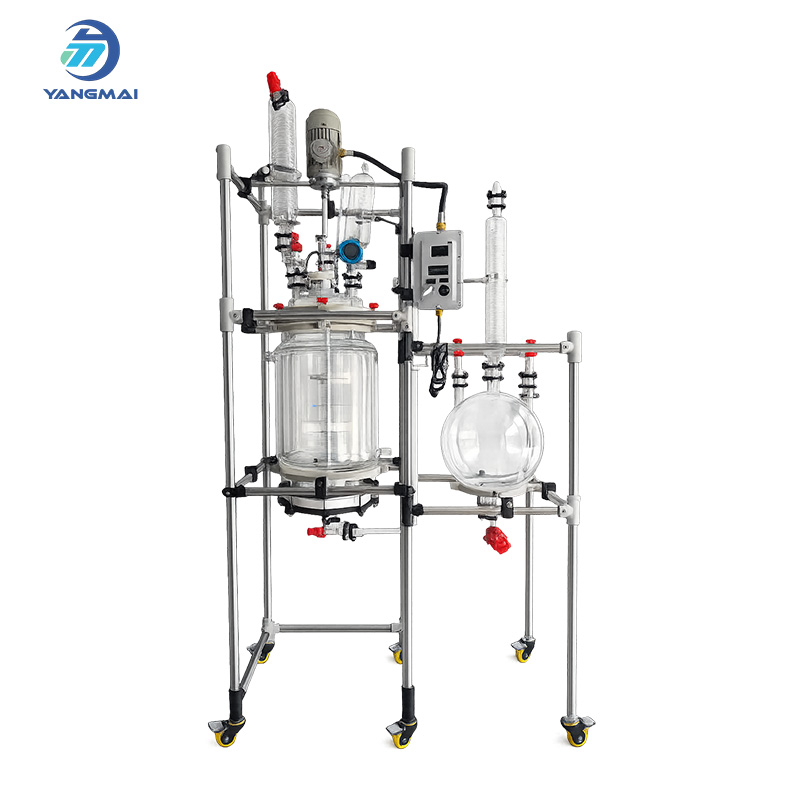
  • Multi-Position Overflow Glass Reactor System for Parallel Chemical Experiments
    Multi-Position Overflow Glass Reactor System for Parallel Chemical Experiments Apr 22, 2026
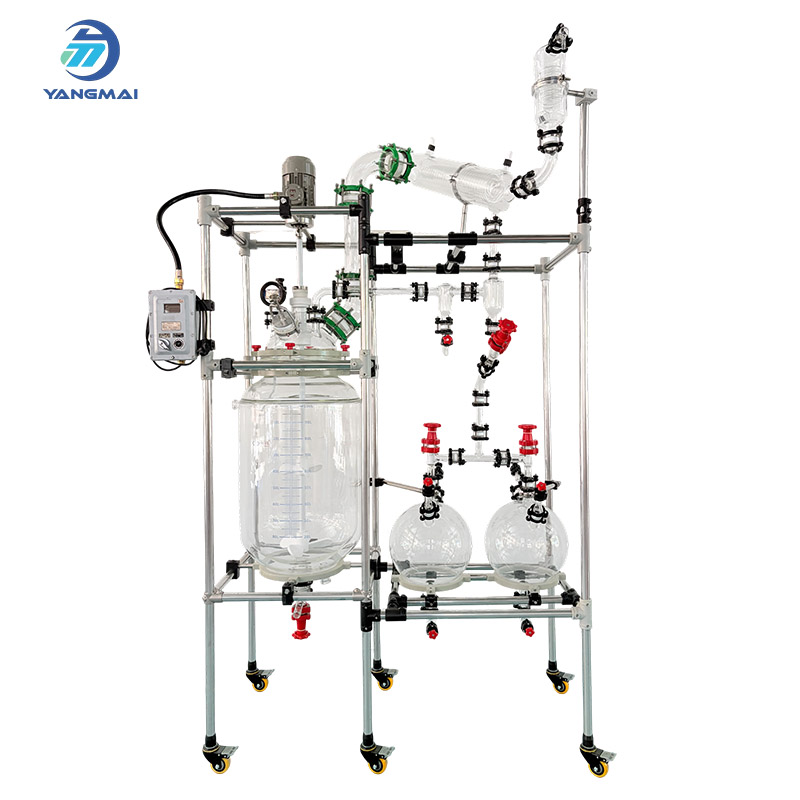
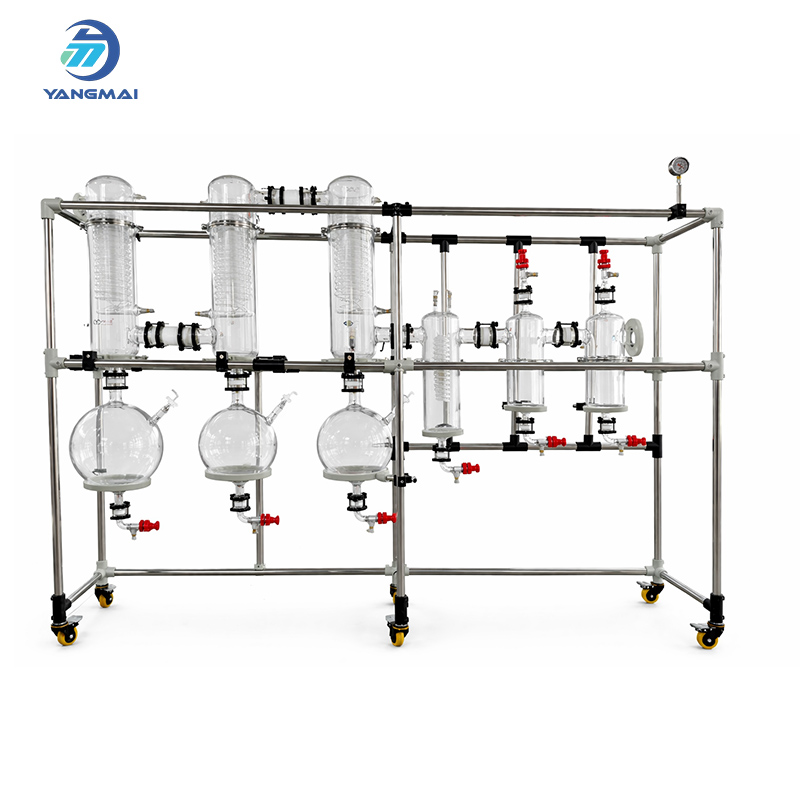
    Introduction In modern chemical research and process development, efficiency and reproducibility are key. A multi-position overflow glass reactor system allows researchers to run multiple reactions simultaneously under identical or different conditions. This greatly improves experimental efficiency, especially in catalysis screening, material synthesis, and process optimization. The system shown here is a multi-unit overflow jacketed glass reactor platform, designed for precise temperature control, consistent mixing, and continuous overflow operation. What Is an Overflow Glass Reactor? An overflow glass reactor is a type of jacketed reaction vessel designed to maintain a constant liquid level during operation. Excess liquid automatically flows out through an overflow outlet, ensuring stable reaction volume and consistent process conditions. This is especially useful in: Continuous reaction studies; Catalyst evaluation; Liquid-phase reaction screening; Stability testing under controlled volume; Key Features of Multi-Position Reactor System 1. Parallel Reaction Capability Multiple glass reactors operate simultaneously on one frame, allowing researchers to compare different reaction conditions in a single experiment cycle. 2. Overflow Volume Control Each reactor is equipped with an overflow structure, ensuring: Stable liquid level; Consistent residence time; Improved reproducibility; 3. Independent Stirring System Each reactor is driven by an independent motor, allowing: Adjustable stirring speed; Flexible experimental conditions; Reduced cross-interference; 4. Borosilicate Glass Construction All reactors are made of high-quality borosilicate glass, offering: Excellent chemical resistance; High transparency for real-time observation; Strong thermal stability; 5. Precise Temperature Control The jacketed design allows circulation of heating or cooling media, enabling: Accurate temperature control; Stable reaction environment; Compatibility with chiller or heating systems; Applications This multi-position overflow glass reactor system is widely used in: Catalyst screening and evaluation; Chemical synthesis research; Pharmaceutical process development; Material science experiments; Parallel reaction optimization; Advantages of Parallel Reactor Design Compared with single-reactor systems, this setup offers: Higher experimental efficiency Reduced testing time Better comparison accuracy Lower operational cost per test Why Choose an Overflow Design? The overflow function ensures constant liquid volume, which is critical for: Kinetic studies; Continuous reaction simulation; Reproducible experimental conditions; Conclusion The multi-position overflow glass reactor system is an advanced solution for laboratories and research institutions aiming to improve efficiency and data reliability. By combining parallel reaction capability with precise overflow control, it significantly enhances chemical research productivity.  

  • Glass Reactor Used in Ruthenium Trichloride (RuCl₃) Applications
    Glass Reactor Used in Ruthenium Trichloride (RuCl₃) Applications Apr 10, 2026
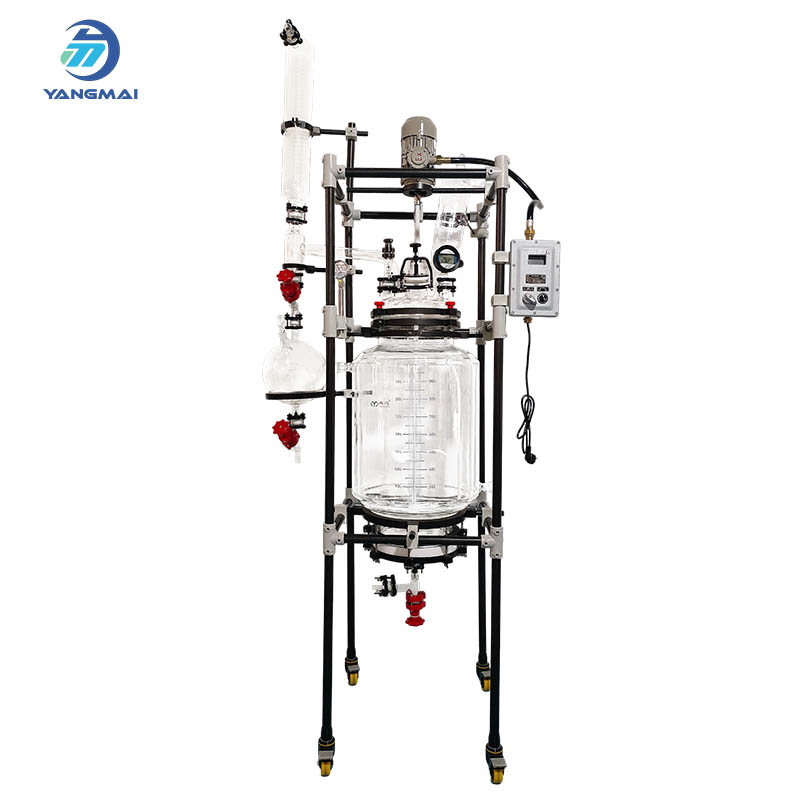
    Ruthenium Trichloride (RuCl₃) is widely used in advanced chemical synthesis, catalysis research, and material science. Due to its strong corrosive nature and sensitivity in reaction conditions, selecting the right reactor system is critical. Among various options, the glass reactor system remains one of the most reliable and flexible solutions for RuCl₃-related processes. At Hefei Yangmai Tech, we design and manufacture high-quality glass reactors tailored for demanding chemical applications such as RuCl₃ dissolution, catalyst preparation, and controlled synthesis reactions. I. Why RuCl₃ Applications Require Specialized Reactors RuCl₃ is commonly used in: Homogeneous catalysis Electrochemical material synthesis Precious metal compound preparation Research in hydrogen evolution reactions (HER) However, RuCl₃ systems present several challenges: Strong corrosive behavior in acidic/oxidizing environments Sensitivity to contamination (trace metals can affect reaction results) Requirement for precise temperature control Often involves stepwise reagent addition under inert atmosphere Because of these factors, reactor material and design become extremely important. II.Advantages of Glass Reactors in RuCl₃ Chemistry A borosilicate glass reactor is highly suitable for RuCl₃ applications due to the following advantages: Excellent Chemical Resistance Borosilicate glass provides strong resistance against acids, salts, and many oxidizing agents commonly used in RuCl₃ systems. High Transparency for Reaction Monitoring Operators can visually observe: Color changes Precipitation Dissolution progress in real time, which is critical for Ru-based chemistry. ✔ Clean and Contamination-Free System Unlike metal reactors, glass systems avoid: Metal ion contamination Side reactions caused by reactor walls ✔ Precise Temperature Control When paired with a heating and cooling circulator, glass reactors allow stable control from sub-zero to high-temperature conditions. III. Recommended Glass Reactor Configuration for RuCl₃ For RuCl₃ dissolution and synthesis processes, the following setup is typically recommended: Double-layer borosilicate glass reactor (20L–100L depending on scale) PTFE-coated stirring system for corrosion resistance PTFE or glass feeding ports for stepwise reagent addition Condenser for solvent recovery (if reflux is required) Inert gas inlet (N₂ or Ar protection system) Explosion-proof motor option for safety in solvent-based reactions Optional upgrades: Vacuum system integration Automated feeding system pH and temperature online monitoring 4. Application Example: RuCl₃ Catalyst Preparation A typical RuCl₃ process may include: Dissolution of RuCl₃ in acidic or solvent medium Controlled addition of reducing or coordinating agents Temperature-controlled reaction (0°C to 80°C depending on system) Filtration and purification of final catalyst precursor In all these steps, a glass reactor ensures: Stable reaction condition; High reproducibility; Easy scale-up from lab to pilot plant; IV. Conclusion Glass reactors provide a reliable, corrosion-resistant, and controllable environment for RuCl₃-related processes. Whether for catalyst development or chemical synthesis, they are an essential tool for achieving high efficiency and reproducibility.      
  • Falling Film Evaporator: Working Principle, Advantages and Industrial Applications
    Falling Film Evaporator: Working Principle, Advantages and Industrial Applications Mar 27, 2026
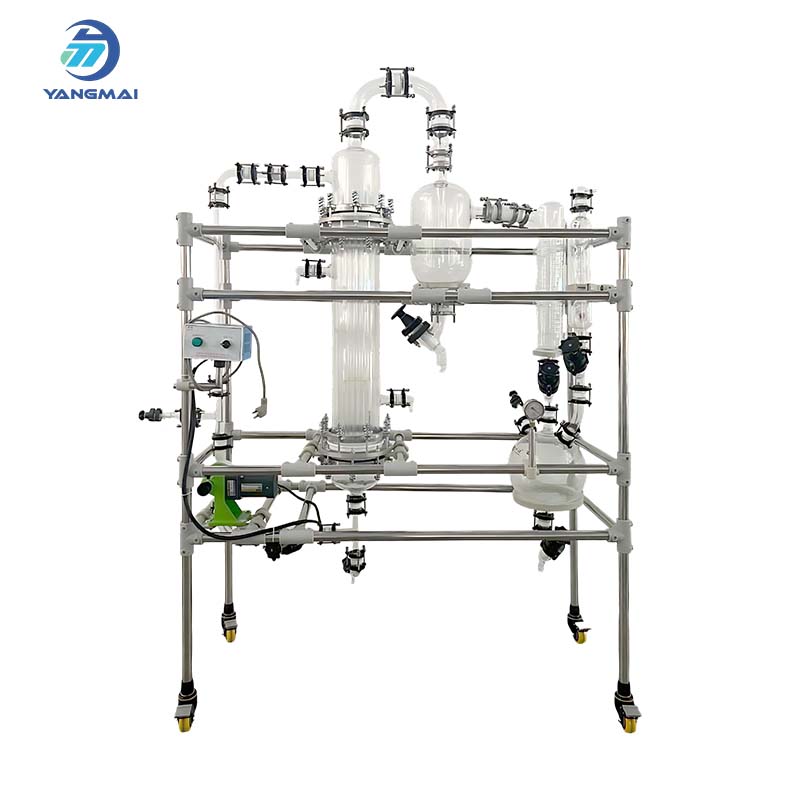
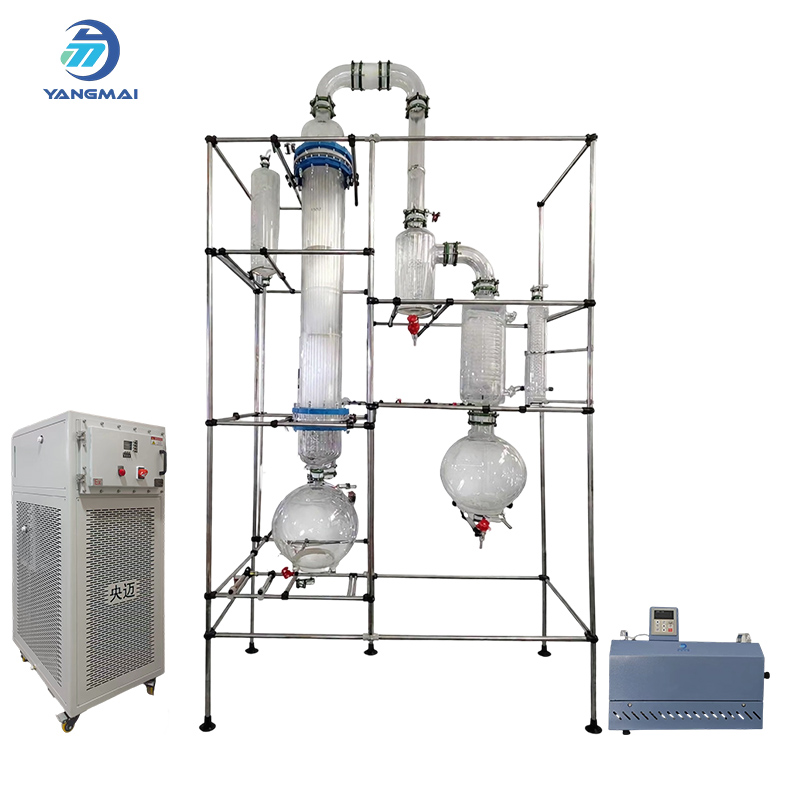
    Introduction A falling film evaporator is an efficient thermal separation device widely used in chemical, pharmaceutical, and food industries. It is designed for continuous evaporation of heat-sensitive liquids under vacuum conditions, making it ideal for solvent recovery, concentration, and purification processes. Among different evaporation technologies, the falling film design is known for its high heat transfer efficiency and short residence time, which helps prevent thermal degradation of sensitive materials such as ethanol, methanol, and organic compounds.   How a Falling Film Evaporator Works: The working principle is based on the formation of a thin liquid film inside vertical heating tubes. The liquid feed enters the top of the evaporator. It is evenly distributed along the tube walls using a liquid distribution system. A thin film forms and flows downward under gravity. Heat is applied from the outside of the tubes, causing rapid evaporation. Vapor and liquid are separated at the bottom and sent to different collection systems. Because the liquid stays in the heating zone for a very short time, thermal damage is minimized.   Key Advantages of Falling Film Evaporator 1. High Heat Transfer Efficiency The thin liquid film greatly increases the heat exchange surface, improving evaporation speed and efficiency. 2. Suitable for Heat-Sensitive Materials Operating under vacuum allows evaporation at lower temperatures, protecting sensitive compounds from decomposition. 3. Continuous Operation Unlike batch systems, falling film evaporators support continuous feeding and discharge, improving production efficiency. 4. Low Energy Consumption Efficient heat utilization reduces energy waste, making it suitable for large-scale industrial applications. 5. Easy Observation and Control In glass systems, operators can visually monitor the entire evaporation process in real time.   Industrial Applications Falling film evaporators are widely used in: Pharmaceutical industry for solvent recovery and API concentration; Chemical processing for organic solvent separation and purification; Biotechnology for extraction and concentration of bioactive compounds; Food industry for juice, flavor, and heat-sensitive liquid concentration; Laboratory and pilot plants for reaction research and process optimization;   Typical processes include ethanol recovery, esterification reaction concentration, and volatile solvent distillation.   Glass Falling Film Evaporator Advantage Compared with metal systems, a glass falling film evaporator provides: Excellent corrosion resistance Full process visibility Better suitability for laboratory and pilot-scale research Easier cleaning and maintenance This makes it especially popular in research institutions and small-to-medium production environments.   Conclusion The falling film evaporator is a highly efficient solution for continuous evaporation and solvent recovery. Its combination of high heat transfer efficiency, low operating temperature, and compatibility with sensitive materials makes it an essential equipment in modern chemical and pharmaceutical processing. Whether used in laboratories or industrial pilot plants, it provides stable performance and reliable results for a wide range of applications.
  • Short-Path Glass Molecular Distillation: Efficient Purification for Laboratories and Pharmaceuticals
    Short-Path Glass Molecular Distillation: Efficient Purification for Laboratories and Pharmaceuticals Mar 12, 2026
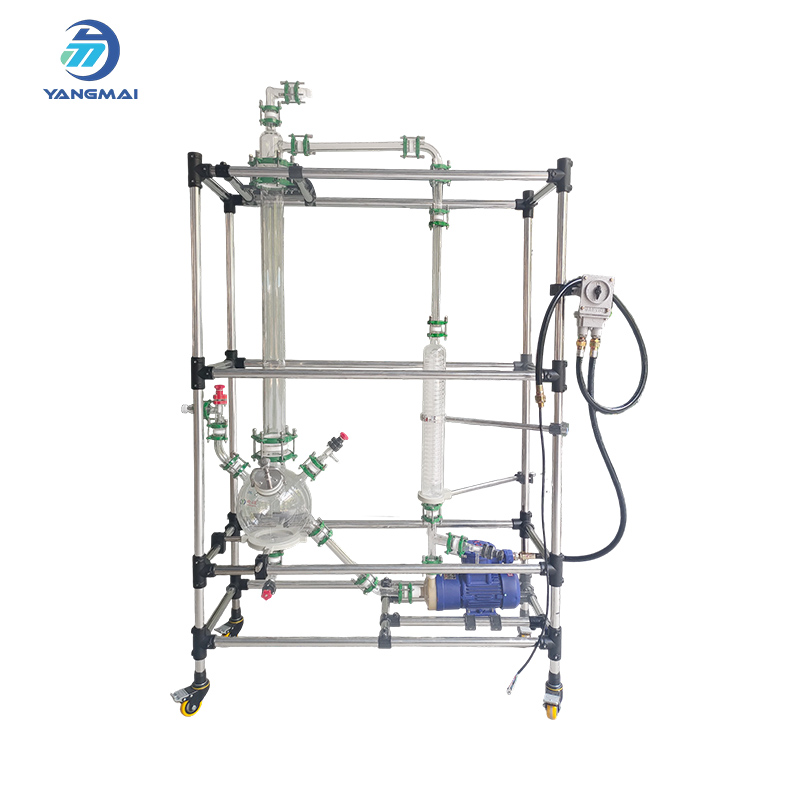
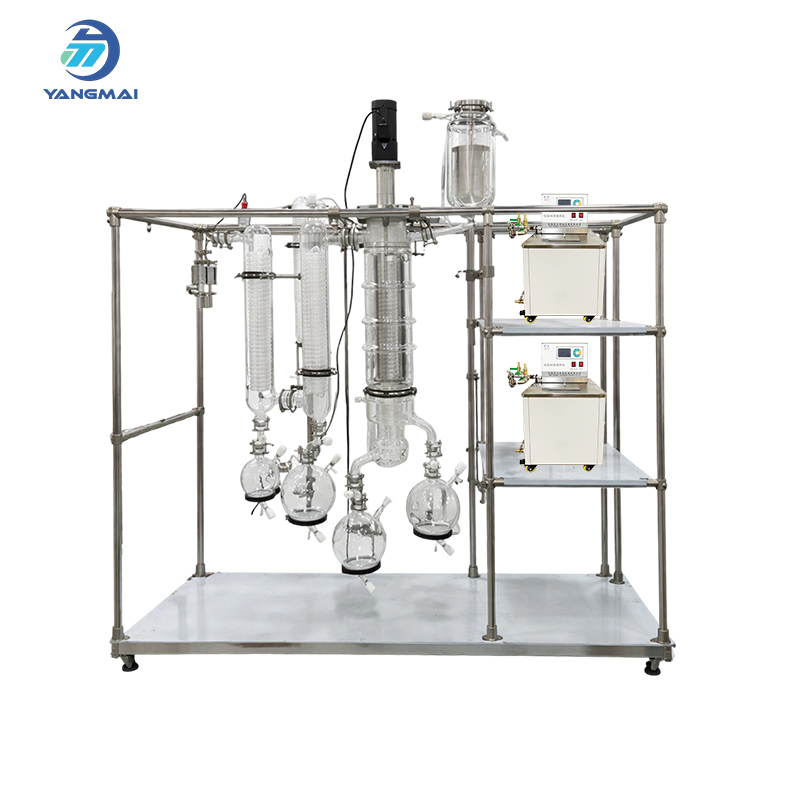
    As a leading Chinese manufacturer of laboratory glass equipment, Yangmai glass reactors specialize in producing high-quality short-path glass molecular distillation systems.Our distillation systems are designed for heat-sensitive compounds, offering high-purity separation, excellent chemical resistance, and modular laboratory integration. Short-path glass molecular distillation is widely used in pharmaceutical R&D, fine chemical synthesis, and natural product extraction, where precision and safety are critical.   How Short-Path Glass Molecular Distillation Works Our systems use a high borosilicate glass construction with a short-path evaporator and condenser, allowing efficient molecule transfer under high vacuum conditions. Process Overview: The compound is heated under high vacuum, reducing its boiling point. Molecules with suitable mean free path travel the short distance to the condenser. Heavier impurities remain in the residue, while the purified product is collected. The transparent glass design allows researchers to visually monitor the reaction process and ensures minimal contamination, perfect for laboratory and pilot-scale applications.   Applications: Our short-path glass molecular distillation systems are ideal for: Pharmaceuticals: Purification of APIs, peptides, and labile compounds Essential Oils & Natural Products: Extraction and separation of heat-sensitive botanical extracts Fine Chemicals: Isolation of specialty chemicals, vitamins, and organic intermediates Polymer Industry: Removal of low molecular weight residues from polymer synthesis   Technical Advantages: High Purity Separation: Preserves heat-sensitive compounds; Durable Borosilicate Glass: Resistant to acids, alkalis, and solvents; Visual Monitoring: Transparent glass enables real-time observation; Modular & Flexible: Suitable for small-scale labs or pilot plants; Energy Efficient: Operates at low temperatures under high vacuum, saving energy;   Why Choose Our Chinese Manufacturing Expertise Factory Direct Pricing: No middleman, cost-effective solutions; Customizable Systems: Tailored to lab size, volume, or process requirements; Quality Assurance: Each system undergoes rigorous testing before delivery; Global Shipping & Support: We ship worldwide with clear documentation and technical guidance;   Conclusion: Short-path glass molecular distillation is a must-have for laboratories and industries seeking high-purity separation of sensitive compounds. By choosing our Chinese-manufactured systems, you get precision, reliability, and cost-effective solutions for pharmaceutical, chemical, and natural product purification.  
  • Maximize Your Lab Efficiency with High-Quality Glass Reactors
    Maximize Your Lab Efficiency with High-Quality Glass Reactors Dec 17, 2025
    Introduction In modern chemical, pharmaceutical, and fine chemical laboratories, the choice of equipment can determine the success of your experiments. Glass reactors have become an essential tool for precise reactions, offering transparency, chemical resistance, and high performance. Whether you are performing synthesis, distillation, or concentration, the right glass reactor can improve efficiency, safety, and reproducibility.   Why Choose a Glass Reactor High-Quality Borosilicate Glass: Resistant to thermal shock and corrosion, ensuring long-lasting durability and safety. Transparent Design: Easily monitor the reaction process, making adjustments in real time. Double-Layer Jacket (Optional): Allows for heating or cooling circulation, giving precise temperature control for complex reactions. Excellent Sealing: Prevents leaks and contamination, keeping experiments safe and reliable.   Versatile Applications: Suitable for chemical synthesis, pharmaceutical research, and fine chemical production. Optional Upgrades for Enhanced Efficiency Spray Washing Systems: Quickly and safely clean the reactor between experiments, saving time and labor. High/Low-Temperature Circulators: Maintain exact reaction temperatures for consistent results.   Magnetic Stirring and Motor Systems: Enable uniform mixing for reactions requiring high precision. Customer Benefits Efficiency: Complete experiments faster with reliable equipment. Safety: Reduce risk of spills and contamination with high-quality materials. Flexibility: Suitable for small-scale lab tests to medium-scale production.   Customizable Options: Reactors can be tailored to specific capacity, jacket design, and accessory requirements. Conclusion Upgrade your laboratory operations with our premium glass reactors. Designed for precision, safety, and long-term performance, they are trusted by labs worldwide. Contact us today to learn more about our reactor models, custom options, and accessories, and take your research to the next level.
  • Ceramic Buchner Funnel with Glass Collection Bottle – Efficient Filtration System for Your Laboratory
    Ceramic Buchner Funnel with Glass Collection Bottle – Efficient Filtration System for Your Laboratory Dec 17, 2025
    Ceramic Buchner Funnel with Glass Collection Bottle – Efficient Filtration System for Your Laboratory Introduction In modern laboratories, precision, safety, and efficiency are essential for successful filtration. Our Ceramic Buchner Funnel with Glass Collection Bottle provides an integrated solution for separating solids from liquids quickly and reliably. Perfect for chemical research, pharmaceutical R&D, and fine chemical production, this system ensures consistent results and durable performance.   Why Choose This Filtration System High-Quality Ceramic Funnel: Made from premium ceramic, the Buchner funnel is resistant to chemical corrosion and thermal shock, providing long-lasting durability. Its uniform porosity ensures precise and efficient filtration of liquids and suspensions. Glass Collection Bottle: The transparent borosilicate glass bottle allows easy observation of collected filtrate, is chemically resistant, and can withstand repeated use without deformation or leakage. Stable and Safe Design: The combination of ceramic and glass ensures safe handling and prevents accidents during filtration. Easy to Clean and Maintain: Smooth surfaces on both the funnel and bottle prevent residue build-up, ensuring fast cleaning and continuous laboratory operation.   Applications This filtration setup is versatile and suitable for various lab applications: Chemical Experiments: Efficiently filter precipitates and separate solids from liquids. Pharmaceutical Research: Purify compounds and ensure accurate testing results. Fine Chemical Production: Handle medium-scale filtration tasks with reliability and precision. Educational Laboratories: Demonstrate professional filtration techniques to students.   Customer Benefits * Time-Saving: Streamlined filtration process improves lab efficiency. * High Safety: Durable, chemical-resistant materials reduce contamination and accidents. * Cost-Effective: Long-lasting ceramic funnel and glass bottle minimize replacement costs. * Customizable Options: Available in different sizes to meet specific lab requirements.   Conclusion Enhance your lab filtration processes with our Ceramic Buchner Funnel with Glass Collection Bottle. This integrated system delivers precision, durability, and safety in every experiment. Trusted by laboratories worldwide, it is ideal for professionals seeking efficient and reliable filtration solutions. Contact us today to request specifications, custom sizes, or bulk orders and elevate your lab operations to the next level.
  • Glass Reactors – Making Chemical Experiments Safer and More Efficient
    Glass Reactors – Making Chemical Experiments Safer and More Efficient Dec 17, 2025
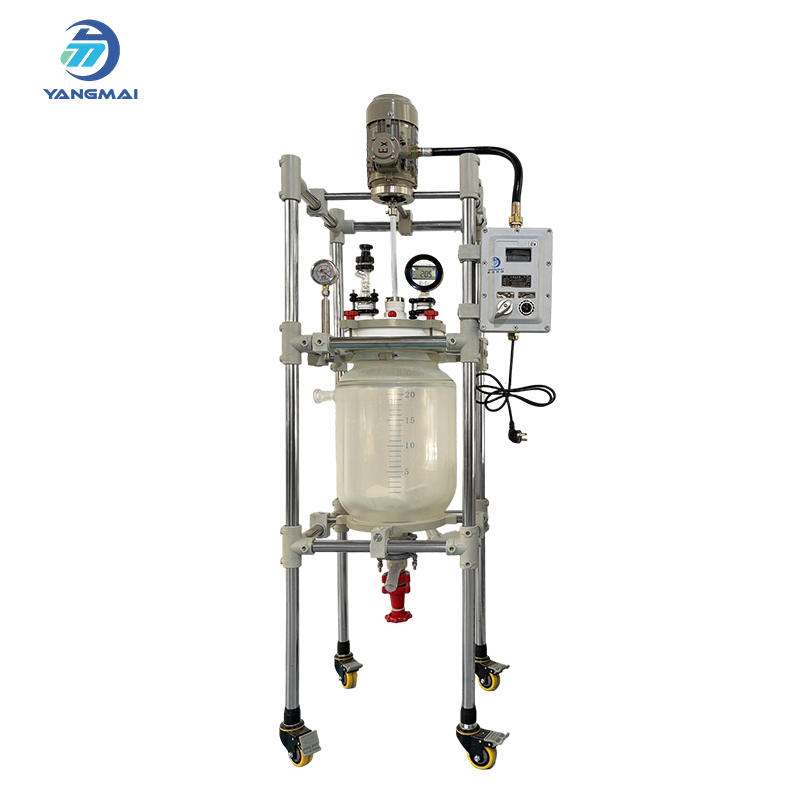
    Glass Reactors – Making Chemical Experiments Safer and More Efficient Introduction:In modern laboratories, safety and efficiency are the key to successful chemical reactions. Researchers need equipment that can handle complex reactions while providing full control and observation. Our high-quality glass reactors are designed to meet these demands, offering a perfect combination of safety, transparency, and reliability.   High Borosilicate Glass: Resistant to thermal shock and chemical corrosion, ensuring durability under high or low temperatures. Double-Layer Design: The inner layer allows reactions while the outer layer can circulate hot or cold liquids for precise temperature control. Transparent Observation: Easily monitor every stage of the reaction without opening the system. Excellent Sealing: Prevents leaks and ensures no vapor escapes, keeping the laboratory environment safe.   Applications: * Pharmaceutical research, chemical experiments, and fine chemical production. * Ideal for stirring, distillation, concentration, and other reaction processes.   Conclusion: Our glass reactors can be customized according to your lab requirements, with reliable after-sales support. Enhance your laboratory efficiency and safety by choosing our trusted glass reactors today. Contact us to learn more.    
  • Advantages of Glass Solid Phase Reactor Combined with a Collection Bottle
    Advantages of Glass Solid Phase Reactor Combined with a Collection Bottle Dec 17, 2025
     Advantages of a Glass Solid Phase Reactor with Collection Bottle In laboratory and pilot-scale chemical processing, solid–liquid reactions often require not only precise reaction control but also efficient solid separation and product collection. A glass solid phase reactor combined with a collection bottle offers an integrated solution that improves process efficiency, cleanliness, and experimental reliability. This article outlines the key advantages of this configuration and explains why it is widely used in chemical and pharmaceutical research.   Integrated Reaction, Filtration, and Collection A glass solid phase reactor with a collection bottle allows the entire workflow—reaction, solid–liquid separation, and filtrate collection—to be completed within a single system. After the reaction, liquid phases pass through the filter and are collected directly in the bottle below, eliminating the need for additional transfer steps. Advantage:Reduced handling, minimized material loss, and improved operational efficiency.   Cleaner and More Controlled Filtrate Collection The dedicated collection bottle provides a closed and controlled environment for collecting filtrates or washing liquids. This design helps prevent contamination and allows accurate monitoring of collected volumes during filtration and washing processes. Advantage: Improved cleanliness and better control over liquid collection.   Improved Solid Product Handling By separating the solid product inside the reactor while directing the liquid phase to the collection bottle, the solid cake remains undisturbed. This is particularly important for fragile crystals or fine solids that require gentle handling. Advantage: Better preservation of solid structure and higher product quality.   Efficient Washing and Solvent Recovery During solid washing steps, wash solvents can be introduced into the reactor and collected directly in the collection bottle after passing through the filter. This setup supports repeated washing cycles without removing the solid material from the reactor. Advantage:Efficient washing, simplified solvent recovery, and reduced process time.   High Visibility for Process Observation The glass construction of both the reactor and collection bottle allows clear visual monitoring of solid formation, filtration behavior, and liquid flow.This visibility is especially valuable during process development and troubleshooting. Advantage: Enhanced process understanding and faster optimization.   Ideal for Laboratory and Pilot-Scale Applications Glass solid phase reactors with collection bottles are commonly used in: * Chemical synthesis laboratories * Pharmaceutical R&D * Crystallization and precipitation studies * Process development and pilot testing Advantage: A practical and scalable solution for research and early-stage production.   Conclusion A glass solid phase reactor combined with a collection bottle provides a streamlined and efficient approach to solid–liquid reaction processing. By integrating reaction, filtration, and collection into a single system, it reduces operational complexity while improving process control and product handling. For laboratories and pilot facilities working with solid–liquid systems, this configuration offers a reliable and efficient solution.          
  • Practical Applications of Glass Distillation Reactors in Modern Laboratories
    Practical Applications of Glass Distillation Reactors in Modern Laboratories Oct 29, 2025
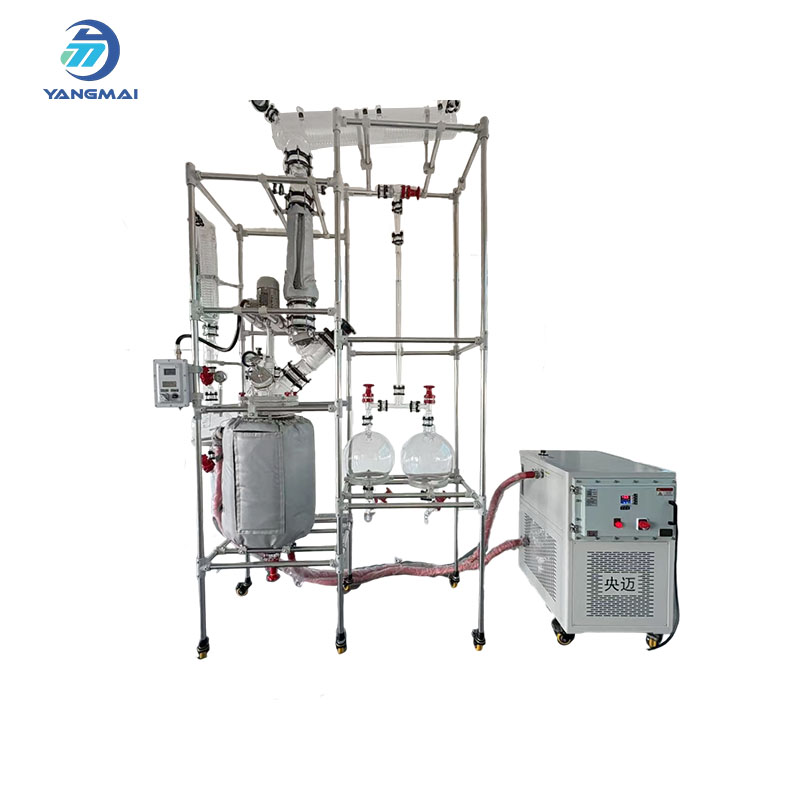
    Introduction Glass distillation reactors are essential pieces of equipment in modern laboratories, particularly in chemical synthesis, purification, and solvent recovery. Made from high-quality borosilicate glass, these reactors offer superior visibility, corrosion resistance, and temperature stability, making them ideal for a wide range of laboratory experiments. Their transparent design allows scientists to visually monitor reactions, improving both accuracy and safety during experimental processes.   Components the Glass Distillation Reactor A glass distillation reactor integrates reaction, evaporation, and condensation processes within one sealed glass system. Typically, it consists of a reaction tank, a condenser, and collection flasks connected with temperature control machine. This apparatus enables efficient separation and purification of chemical compounds by utilizing differences in boiling points under controlled temperature and pressure conditions.   Applications in Modern Laboratories 1. Chemical Synthesis In organic and inorganic chemistry, glass distillation reactors are widely used for synthesis and purification of compounds. The system allows precise temperature control, ensuring reaction stability and product quality. 2. Pharmaceutical Research In pharmaceutical development, researchers use glass reactors to refine drug intermediates and separate volatile compounds. The ability to maintain sterile and visible environments supports accurate quality control. 3. Solvent Recovery and Recycling Glass distillation reactors are commonly used for solvent recovery in laboratory processes. By distilling and condensing solvents, labs can reduce waste, save costs, and maintain a more sustainable workflow. 4. Purification and Crystallization During purification, the reactor helps isolate pure substances from complex mixtures. It also enables controlled crystallization—important in producing high-purity materials for further testing or production. 5. Educational and Research Institutions In academic and R&D environments, glass reactors are excellent tools for teaching distillation principles, studying reaction kinetics, and testing new materials or catalysts under controlled conditions.   Advantages of Using Glass Distillation Reactors 1. High Chemical Resistance: Borosilicate glass provides excellent durability against strong acids and alkalis. 2. Visual Observation: Transparent design allows real-time monitoring of chemical changes. 3. Wide Temperature Range: Suitable for heating and cooling between -80°C and +250°C. 4. Customizable Structure: Modular design enables easy scaling for different experiment sizes. 5. Eco-Friendly Operation: Reduces solvent loss and promotes efficient energy usage.   Conclusion Glass distillation reactors play a vital role in advancing laboratory efficiency and experimental precision. Their versatility and clarity make them indispensable in chemical synthesis, purification, and research development. Whether in a university laboratory or industrial research center, these reactors help ensure safer, cleaner, and more controlled chemical processes.
  • Maximize Laboratory Efficiency with Advanced Glass Extraction Columns
    Maximize Laboratory Efficiency with Advanced Glass Extraction Columns Oct 21, 2025
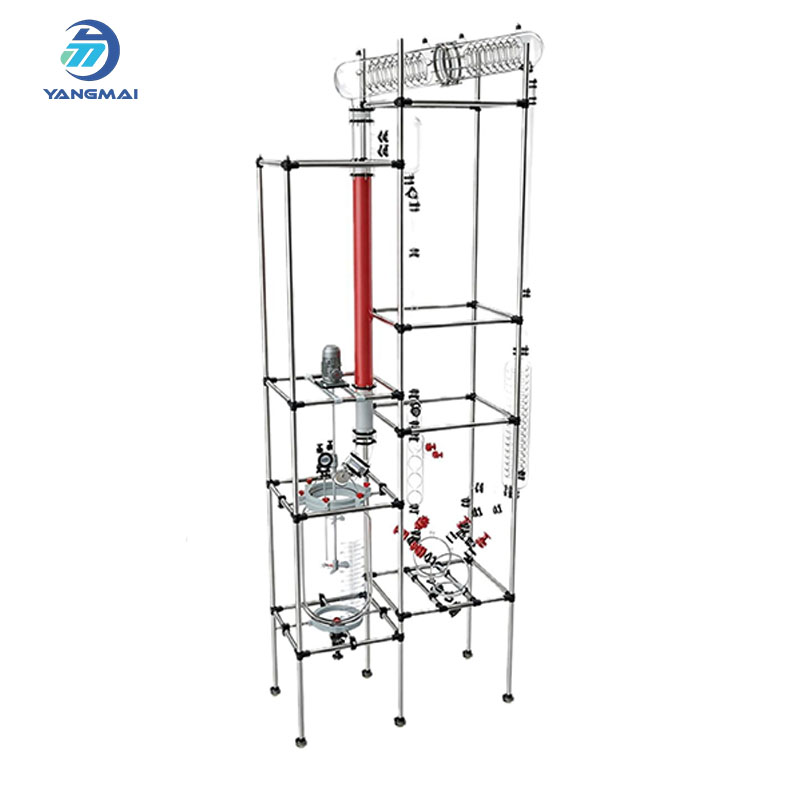
    In modern chemical, pharmaceutical, and research laboratories, precision and efficiency are key. The Glass Extraction Column has emerged as an essential tool for liquid-liquid separation, offering high-performance solutions for both pilot-scale and laboratory-scale chemical processes.   Why Choose a Glass Extraction Tower? Constructed from high-quality borosilicate glass, the extraction column ensures excellent chemical resistance and allows real-time observation of separation processes. Its design is ideal for handling organic and aqueous phases, making it perfect for pharmaceutical extraction, fine chemical synthesis, and academic research experiments. With features such as vacuum compatibility, precise temperature control, and coordinated dosing pumps, the glass extraction tower enables accurate and reproducible separation of solvents, active ingredients, and reaction mixtures. This combination of transparency, durability, and operational flexibility positions it as a top choice for laboratories and research centers seeking reliable extraction performance.   Key Applications of Glass Extraction Columns Chemical and Pharmaceutical Processing: Efficiently separates organic and aqueous phases for drug development and chemical reactions. Solvent Recovery and Purification: Optimizes solvent use and reduces waste through precise liquid-liquid separation. Research and Teaching: Ideal for laboratory teaching units, pilot experiments, and R&D projects requiring real-time observation. Crystallization and Extraction: Supports high-precision extraction and purification of compounds in academic and industrial applications.   Benefits of Using Glass Extraction Towers High Extraction Efficiency: Small quantities of extraction media are sufficient, reducing cost and waste. Compact and Modular Design: Space-saving construction integrates easily with downstream rectification or distillation systems. Durable and Corrosion Resistant: Borosilicate glass and optional PTFE coatings resist acids, bases, and organic solvents. Precise Process Control: Supports coordinated dosing, vacuum operation, and temperature regulation for consistent results.   Conclusion The Glass Extraction Column is more than just laboratory equipment—it is a critical solution for modern chemical separation and purification processes. Whether for pharmaceutical R&D, fine chemical synthesis, or teaching laboratories, investing in a high-quality glass extraction tower ensures reliability, precision, and improved laboratory efficiency.
  • Application of Ultrasonic Homogenizer in Glass Reactor
    Application of Ultrasonic Homogenizer in Glass Reactor Oct 08, 2025
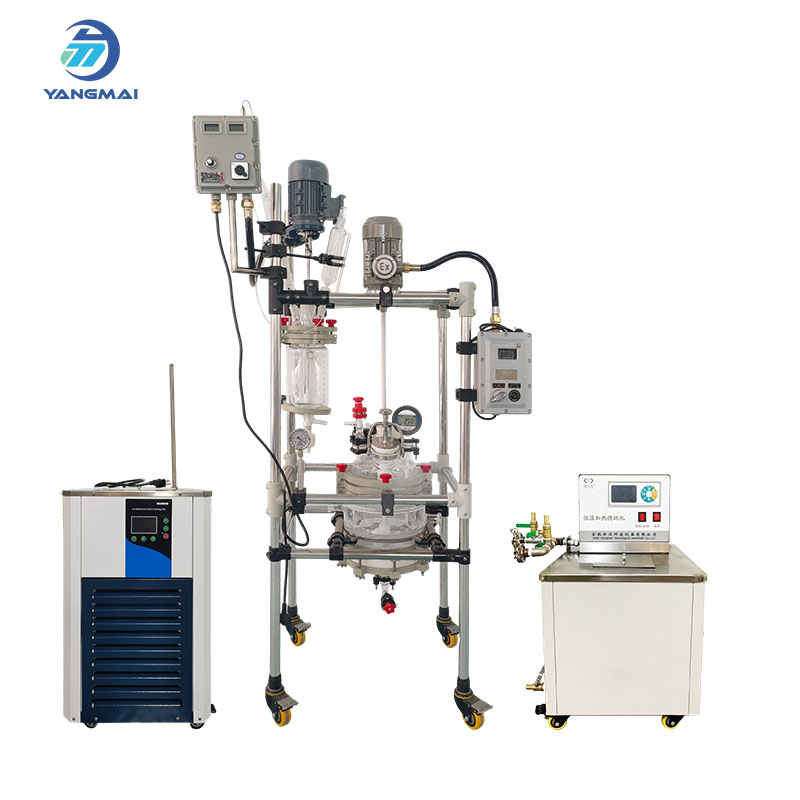
    Introduction The combination of a glass reactor and an ultrasonic homogenizer offers an efficient solution for laboratory and industrial chemical processes. This setup improves mixing, dispersion, and reaction uniformity, making it ideal for chemical synthesis, extraction, crystallization, and nanomaterial preparation.   What Is an Ultrasonic Homogenizer? An ultrasonic homogenizer, also known as an ultrasonic cell crusher or ultrasonic disruptor, uses high-frequency ultrasonic waves to generate cavitation in liquids. These intense vibrations break molecular bonds, disperse particles, and accelerate chemical reactions. When paired with a glass reactor system, it enhances the mixing process and ensures uniform reaction conditions throughout the Kettle.   How It Works in a Glass Reactor? In a glass reactor, the ultrasonic homogenizer can be inserted through a sealed port on the reactor lid. The ultrasonic probe delivers energy directly into the liquid phase, creating microscopic bubbles that collapse and release high energy. This process leads to: Efficient Mixing – Achieves rapid dispersion of solids, liquids, or gases in the reaction medium. Enhanced Reaction Rate – The increased molecular motion accelerates chemical reaction kinetics. Improved Homogeneity – Reduces particle size and ensures even temperature and concentration distribution. Cell Disruption & Extraction – Ideal for biological and pharmaceutical experiments involving cell lysis or compound extraction.   Advantages of Using Ultrasonic Homogenizer with Glass Reactor High Efficiency: Shortens reaction time by improving heat and mass transfer. Versatility: Suitable for chemical synthesis, emulsification, nanomaterials, and biotechnology. Temperature Control: The jacketed glass reactor can maintain constant temperature while ultrasonic energy is applied. Safe and Clean Operation: Both systems are easy to clean and resistant to acid, alkali, and corrosion. Scalable Design: From small-scale laboratory testing to pilot-scale production. Applications in Research and Industry The ultrasonic homogenizer–glass reactor combination is widely used in: Pharmaceutical industry – Drug formulation and extraction of active ingredients. Chemical synthesis – Catalytic reactions, emulsions, and polymerization. Biotechnology – Protein extraction, enzyme treatment, and microbial cell disruption. Nanotechnology – Synthesis of nanoparticles and dispersion of nanomaterial   Conclusion Integrating an ultrasonic homogenizer with a glass reactor provides a highly efficient, controllable, and clean environment for complex chemical and biological processes. This setup not only improves productivity but also ensures consistency and reproducibility in research and industrial applications. For laboratories seeking high-performance reaction systems, the combination of a borosilicate glass reactor and ultrasonic homogenizer is an excellent choice to achieve precise control and superior results.  
  • Why Choose Borosilicate Glass Reactors for Organic Chemistry?
    Why Choose Borosilicate Glass Reactors for Organic Chemistry? Sep 24, 2025
    Organic chemistry experiments require precise control, safety, and visibility during chemical reactions. Borosilicate glass reactors have become the preferred choice in laboratories and pilot plants due to their unique combination of chemical resistance, thermal stability, and transparency. Here’s why borosilicate glass reactors are essential for organic chemistry.   Excellent Chemical Resistance Borosilicate glass is highly resistant to acids, bases, and most organic solvents. This property ensures that the reactor does not react with the chemicals inside, preventing contamination and maintaining the purity of the reaction products. Whether you are performing synthesis, crystallization, or distillation, borosilicate glass offers a reliable solution. Superior Thermal Stability Many organic chemistry reactions require precise heating or cooling. Borosilicate glass can withstand rapid temperature changes and high temperatures without cracking. Its thermal stability allows researchers to safely perform reflux reactions, heating under vacuum, or cooling sensitive compounds, making experiments more efficient and predictable.   Transparent Design for Real-Time Observation Unlike metal reactors, borosilicate glass reactors provide full visibility of the reaction process. Researchers can monitor color changes, precipitation, and phase separation in real time, which is crucial for reaction optimization and quality control.   Modular and Versatile Configurations Borosilicate glass reactors often come with modular designs, allowing integration of stirrers, condensers, vacuum systems, and addition funnels. This flexibility is perfect for small-scale organic synthesis, pilot plant experiments, and laboratory research. You can customize the setup for heating, cooling, vacuum distillation, or multi-step synthesis. Safety and Durability High-quality borosilicate glass is strong and corrosion-resistant, reducing the risk of leaks and breakage. Combined with stainless-steel frames and secure clamps, these reactors provide safe operation even under high pressure or vacuum conditions, ensuring reliable results in organic chemistry labs.   Conclusion For organic chemistry research and pilot-scale experiments, borosilicate glass reactors are the ideal choice. They combine chemical resistance, thermal stability, transparency, and modularity to meet the demanding needs of modern laboratories. Investing in a borosilicate glass reactor ensures safe, efficient, and high-quality chemical reactions.    
1 2 3

A total of 3 pages

leave a message

leave a message
For any request of information or technical support, fill in the form. All fields marked with an asterisk* are required.
Submit
Contact us :
+86 -13053083981

Home

Products

WhatsApp

contact